How to Determine the Quality of Bordeaux Wine: A Beginner’s Guide
Bordeaux has a reputation for producing some of the world’s greatest wines. That being said, it can be challenging to figure out what the label is actually trying to tell you about its quality. The key to understanding Bordeaux quality lies in three things:
The regional hierarchy (appellations)
The château classification system
The producer and vintage
Let’s break it down to help you pick out your next bottle.
Step 1: Understand Bordeaux’s Geographic Quality Pyramid
Bordeaux wines are organised by appellation, which is essentially a protected geographic designation under French wine law. It can be considered like a pyramid of quality. Starting with the bottom:
1) Regional Level: Bordeaux AOC
Wines labelled simply Bordeaux or Bordeaux Supérieur are entry-level regional wines. This means:
Large production
Can come from anywhere within the Bordeaux region
Often approachable and fruit-forward
Generally meant for early drinking
Quality here varies widely. Some producers make outstanding value wines at this level, but in general, this is the base of the pyramid. Think: good everyday Bordeaux.
2) Sub-Regional Level
You’re moving up the pyramid here. These wines are more geographically specific.
At this level, rules are more defined, styles are more consistent, and quality generally improves.
For example:
Médoc AOC → primarily structured Cabernet Sauvignon blends
Graves AOC → both quality reds and distinctive dry whites
Entre-Deux-Mers AOC → known for crisp dry white wines
3) Village Level: The Prestige Appellations
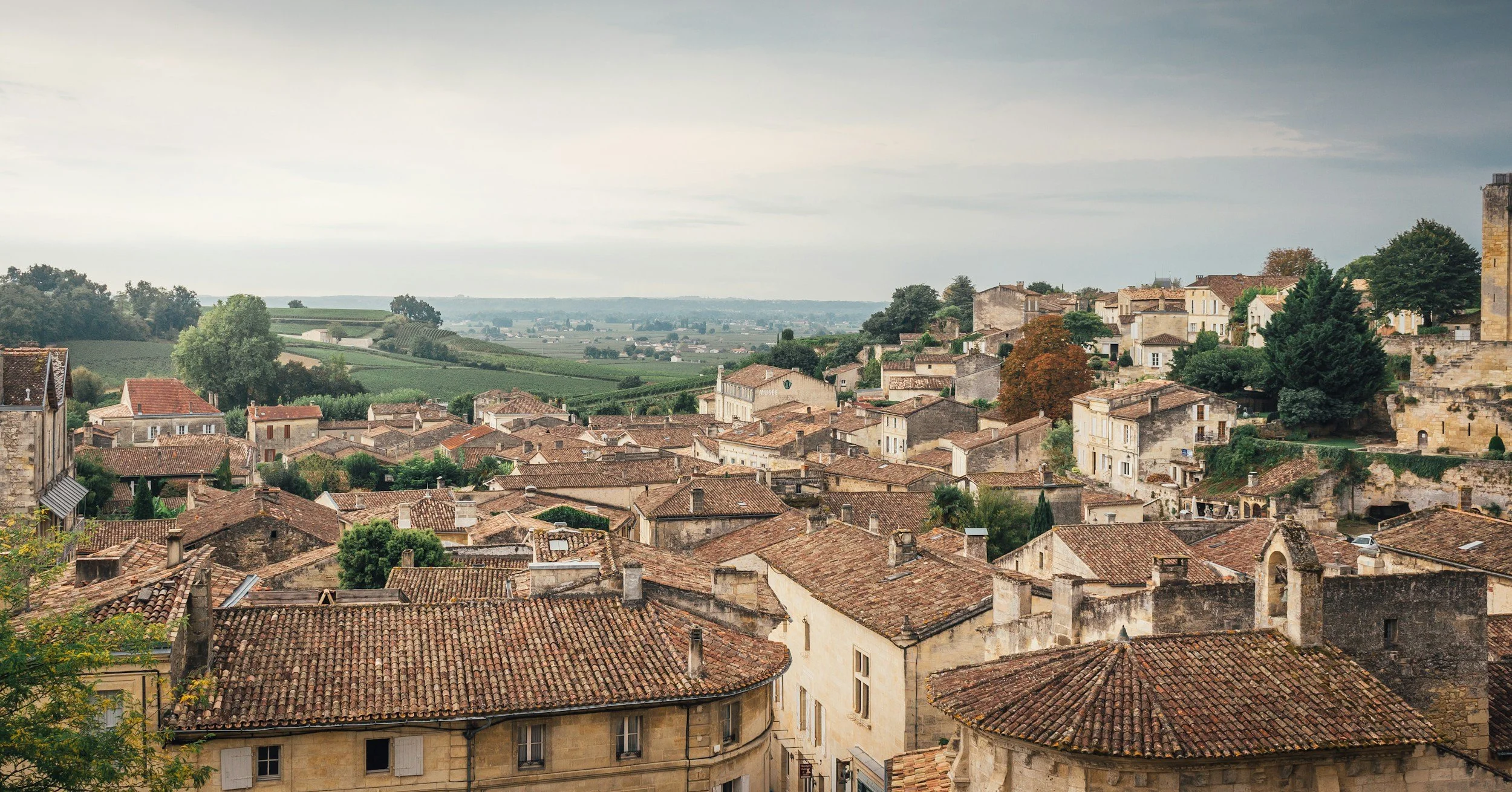
This is where Bordeaux becomes extra serious. For example, within sub-regions like Médoc, you’ll find specific villages that produce wines with distinct identities.
Example villages include: Pauillac, Saint-Julien, Margaux, Saint-Émilion, Pomerol
If the label lists one of these villages, it’s generally another step up in quality and price. Why? Because these areas have:
Superior vineyard terroirs
Long-established reputations
Stricter production expectations
Lower yields
This level often represents excellent quality, even outside formal classifications, which we’ll dive into below.
Step 2: Understand Bordeaux’s Classification Systems
Now we get into the prestige hierarchy.
The 1855 Classification (Left Bank)
Created for the Paris Exposition of 1855, this ranking still strongly influences price and reputation today. Important to note: This classification reflects historical reputation more than modern annual performance.
It further classifies these Grand Cru Classé châteaux from the Médoc into:
First Growth (aka Premier Crus)
Second Growth
Third Growth
Fourth Growth
Fifth Growth
At the very top are the five Premier Crus, including: Château Lafite Rothschild, Château Latour, Château Margaux, Château Haut-Brion, and Château Mouton Rothschild
These wines are extremely age-worthy, highly collectible, and very expensive.
Saint-Émilion Classification (Right Bank)
Unlike the 1855 system, the Saint-Émilion classification is more dynamic and is revised roughly every 10 years (most recently in 2022).
It includes the following rankings (in descending order):
Premier Grand Cru Classé A
Premier Grand Cru Classé B
Grand Cru Classé
Graves Classification
In Graves, there is a classification called “Cru Classé de Graves,” which applies to both red and white wines.
Step 3: What “Grand Cru” Actually Means in Bordeaux
This can add confusion.
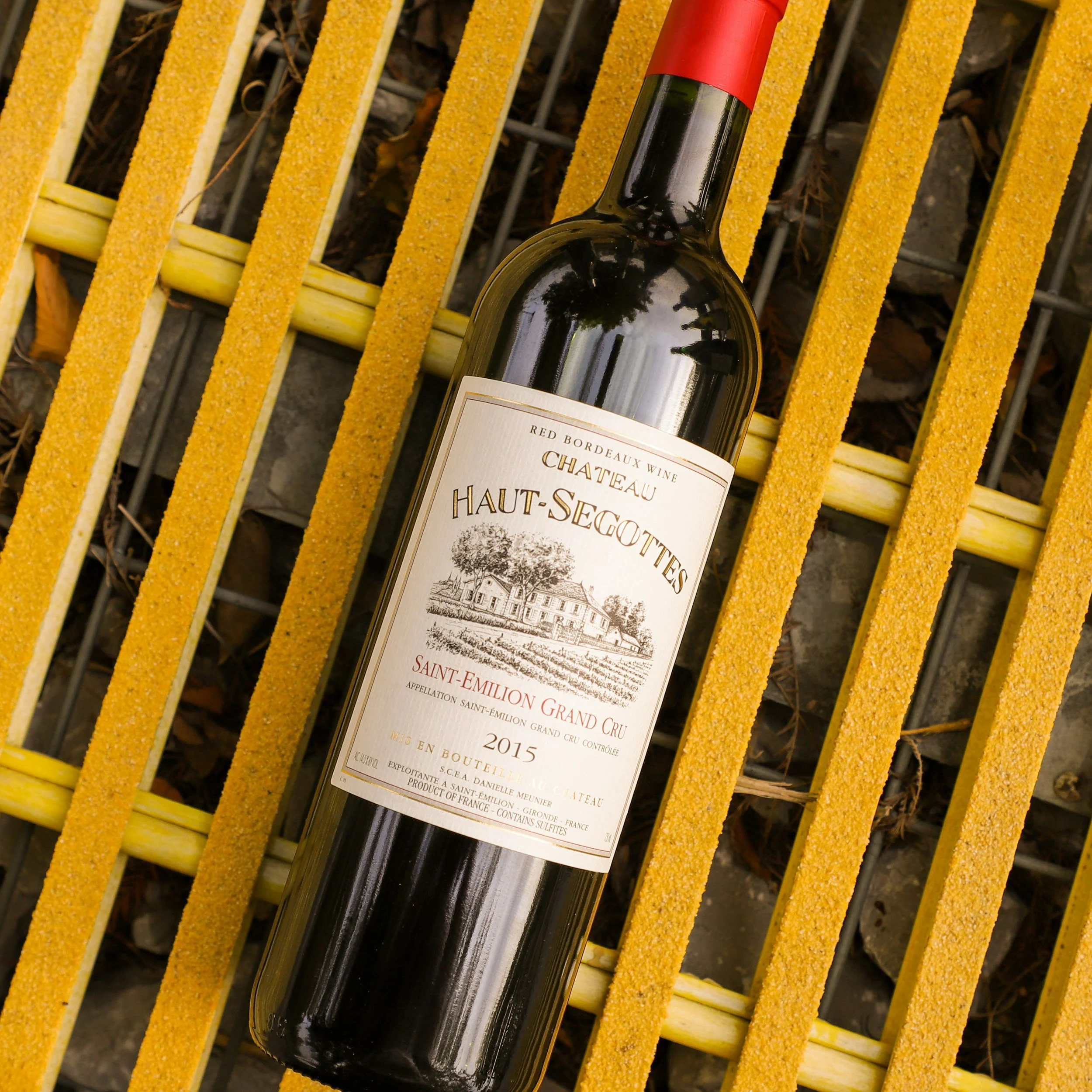
In Bordeaux, “Grand Cru” does NOT automatically mean elite or First Growth level.
This differs from Burgundy classifications (a whole other topic!).
“Grand Cru Classé” is a formal ranking within the classification.
For example, “Grand Cru” alone in Saint-Émilion means the wine meets stricter production criteria than Saint-Émilion AOC.
So always read the full wording (example in the image below).
Step 4: Producer Matters More Than You Think
In Bordeaux, wines are typically labelled by château (winery estate name) rather than grape variety.
Most red Bordeaux are blends of Cabernet Sauvignon, Merlot, Cabernet Franc, and Petit Verdot grapes.
Quality depends heavily on:
Vineyard location
Yield control
Oak aging
Winemaking philosophy
Investment and management
Two wines from the same village can differ dramatically in quality depending on the château.
Step 5: Vintage Really Matters in Bordeaux
Bordeaux is climate-sensitive.
Some years (aka vintages) are outstanding. Others are average or challenging.
In stronger vintages:
Tannins are riper
Fruit is more concentrated
Aging potential increases
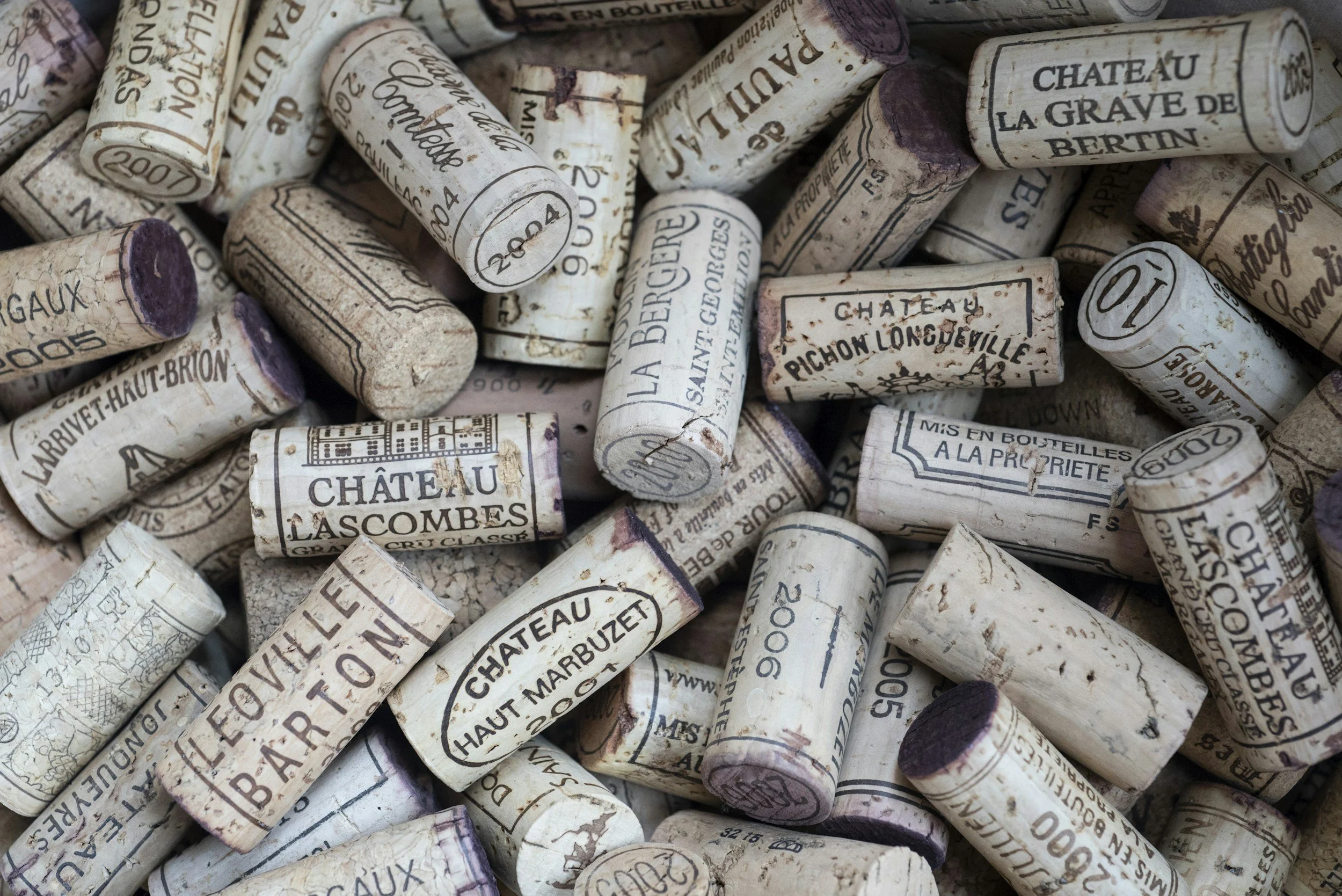
There are many resources online about the best vintages per region. Before picking out a bottle of Bordeaux, do a quick search to check how good the vintage/year is.
Step 6: Signs of Quality in the Glass
When tasting Bordeaux, quality typically shows as:
Balance (fruit, acidity, tannin in harmony)
Length (flavour persists after swallowing)
Complexity (layers, not just one flavour note)
Structure (firm but integrated tannins)
Aging potential (especially for classified growths)
Entry-level Bordeaux can be pleasant and simple. Higher-tier wines build in structure and complexity.
The Real Bordeaux Quality Pyramid (Simplified)
From broad to prestigious:
Bordeaux / Bordeaux Supérieur AOC
Sub-regional appellations (Médoc, Graves, etc.)
Village appellations (Pauillac, Margaux, Saint-Émilion…)
Classified Growths (1855, Saint-Émilion, Graves)
First Growths and top Premier Grand Cru Classé estates
Price often follows this structure, but excellent value can be found at every level.
A Final Word: Bordeaux Quality Isn’t Only About Price
The most expensive Bordeaux wines are not always the most enjoyable, especially for new wine drinkers.
Many excellent wines sit:
Just below the classified level
From strong vintages
From well-managed family estates
Understanding the hierarchy helps you:
Avoid overpaying
Identify value
Read labels confidently
Shop intentionally
And once the system makes sense, you’ll unlock amazing wines that you love.
