
Left Bank vs Right Bank Bordeaux: The Beginner-Friendly Guide
(A Simple Way to Understand One of France’s Most Iconic Wine Regions)
If you’re planning a trip to Bordeaux (or simply looking to buy a Bordeaux blend), you may have heard the terms “Left Bank” or “Right Bank”. But what does that even mean?
Here’s a simple breakdown for you.
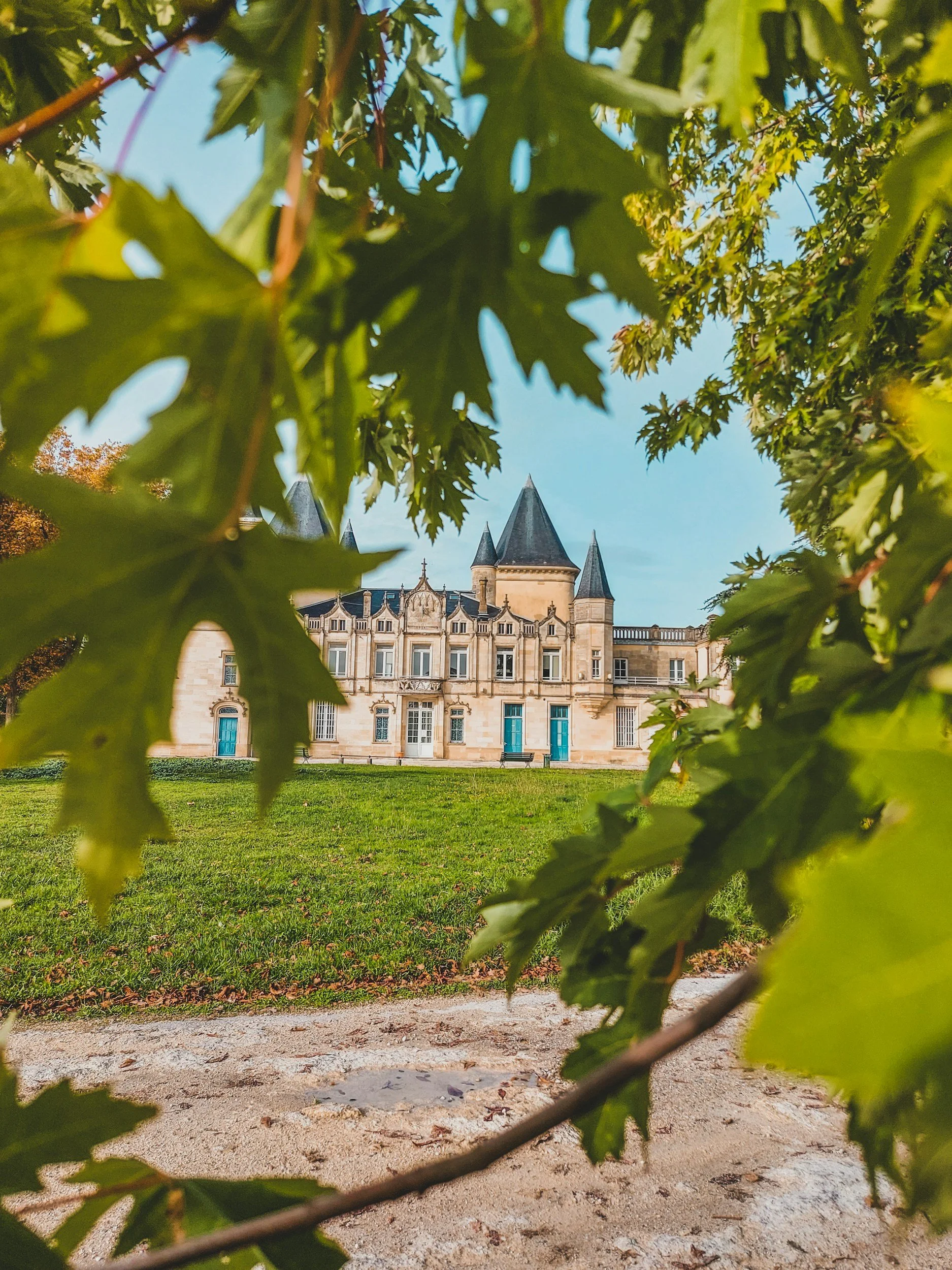
So… what are the “Left Bank” and “Right Bank”?
Imagine Bordeaux with two rivers running through it. The vineyards on the left side of the rivers are the Left Bank. The vineyards on the right side are the Right Bank. That’s it - all down to geography.
And here's why it matters: Each side focuses on a different “hero” grape for the Bordeaux blend, which means the wines taste different. Think sisters with distinct personalities (same family, different vibes).
The Left Bank: Bold & Structured Wines
What it’s known for: More structured wines, the classic “big red wine” style.
The main grape: Cabernet Sauvignon.
How Cab Sav tastes:
Dark fruit (blackcurrant, blackberry)
More tannins (that slightly drying feeling on your gums)
Powerful and elegant
Often benefits from ageing or a little time to soften in the glass
The Right Bank: Softer & Fruitier Wines
What it’s known for: Wines that feel smoother, softer, and more instantly approachable, perfect for sipping even if you're new to Bordeaux.
The main grape: Merlot.
How Merlot tastes:
Ripe red fruit (plum, cherry, raspberry)
Softer tannins (gentle, silky, comforting)
Rounded, warm, expressive
Usually very enjoyable without needing years in the cellar
The Easiest Way to Remember the Difference
If you remember only one thing, make it this:
Left Bank = Cabernet Sauvignon dominant blend = bolder
Right Bank = Merlot dominant blend = softer
That’s what most people mean when they talk about the Left vs. Right Bank.
Why most? It’s not a hard and fast rule for all wineries, but no need to stress yourself out about that!
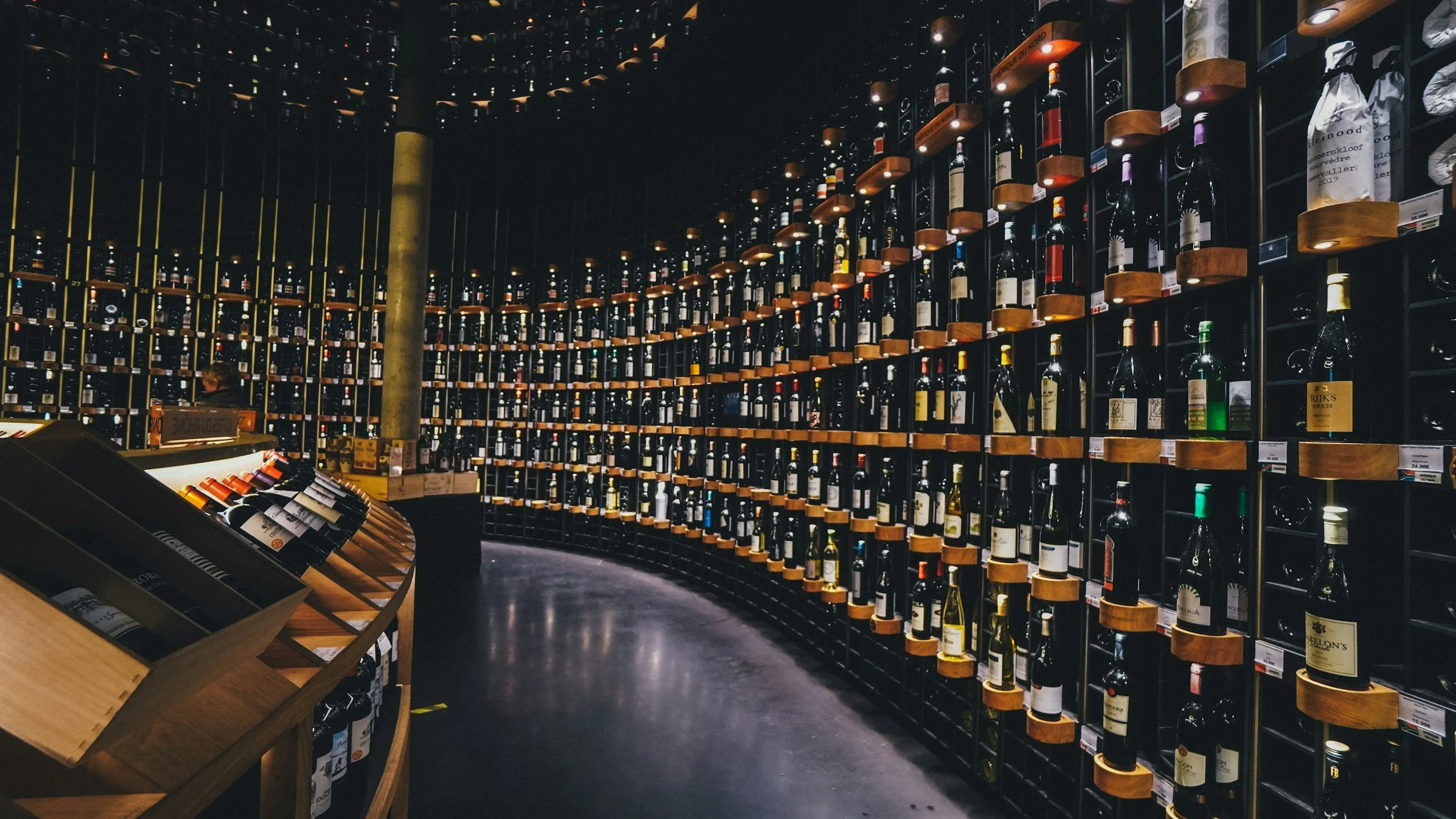
Which One Will You Prefer?
From a wine perspective only, this might help you pick.
If you love:
rich food
structured reds
wine that feels elegant and powerful
→ You may lean Left Bank (Cabernet Sauvignon dominant blends)
If you love:
softer reds
fruit-forward flavours
wine that feels smooth and easy to drink
→ You may fall lean Right Bank (Merlot dominant blends)
On our Bordeaux retreats, we explore both because tasting them side by side is the best (and most fun) way to discover your personal style.
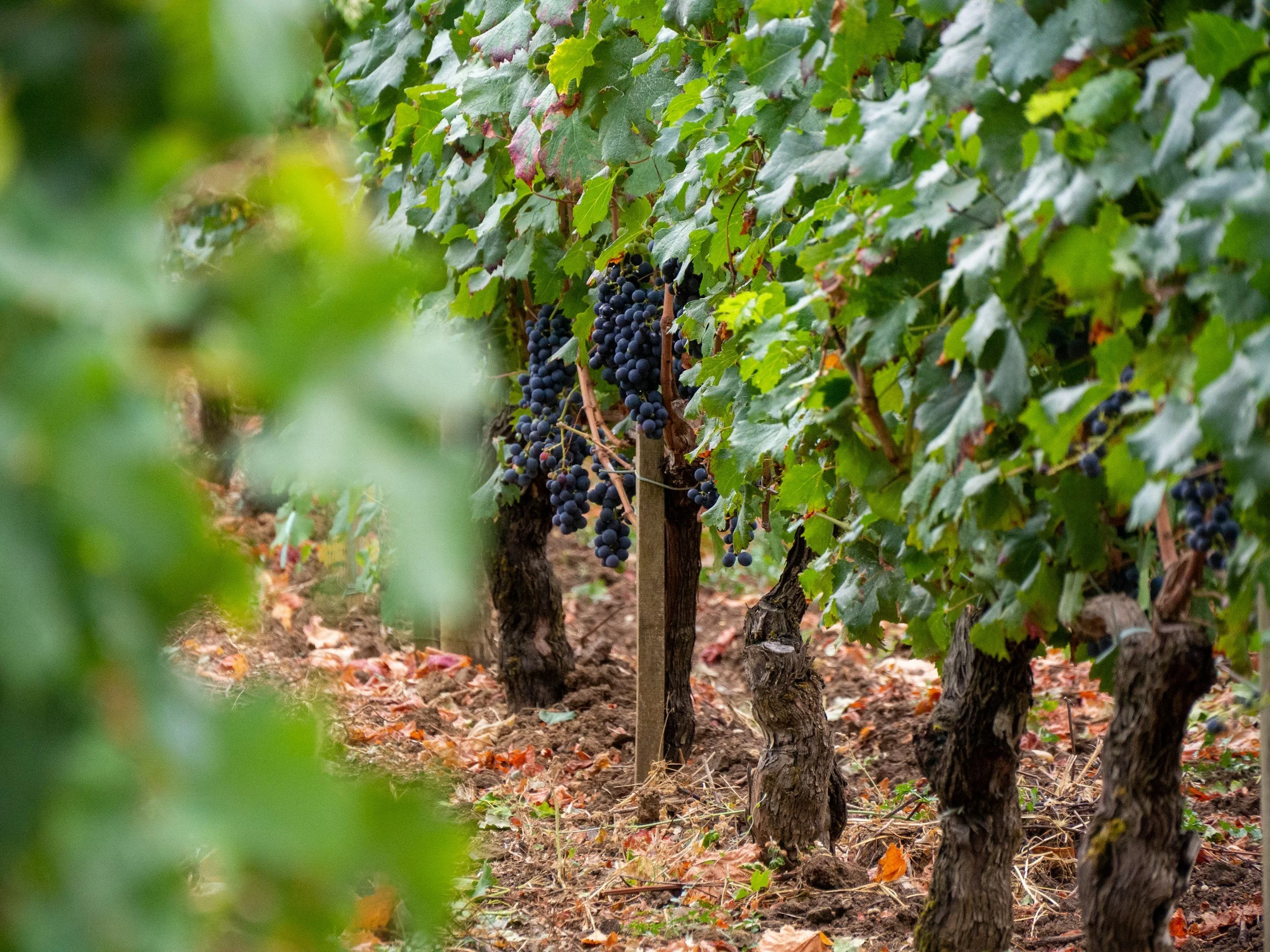
Why This Matters When You Travel to Bordeaux
Most women who join Amica Vina aren’t “wine experts”, and they don’t want to be. They want to enjoy wine without pressure or pretension. Knowing the difference between Left Bank and Right Bank helps you:
✔ Feel confident at tastings
Instead of guessing blind, you’ll already know what to expect from each glass.
✔ Understand the landscape
The two sides of Bordeaux don’t just taste different, they look and feel different too.
✔ Make meaningful memories
There’s something special about learning together. When everyone on the retreat tastes a bold Left Bank Cabernet blend after a silky Right Bank Merlot blend, the reactions are half the fun.
✔ Choose wines you genuinely enjoy
No more picking bottles at random or feeling lost in a wine shop.

Ready to Taste Both Sides of Bordeaux in Real Life?
If you’re joining an Amica Vina retreat, we guide you gently through both styles so you get to experience the full spectrum without any formality or pressure.
Bordeaux is one of the world’s most iconic wine regions, but experiencing it with a group of like-minded women is a completely different kind of magic.
On an Amica Vina retreat, you’ll:
Explore both Left and Right Bank vineyards
Taste incredible wines side by side
Learn in a way that’s fun, easy, and never intimidating
Build friendships that last long after the glasses are empty
