
How to Store Wine Properly: Simple Wine Storage Tips for Everyday Life
Wine doesn’t need to be intimidating, and storing it properly shouldn’t be either; you only need a few simple principles.
Whether you’re bringing wine home from a dream trip, saving a special bottle for later, or simply want your everyday wines to taste as good as they should, these easy wine storage tips will help you care for your bottles with confidence.
The Golden Rule of Wine Storage
If you remember only one thing, remember this:
Wine prefers consistent coolness and darkness.
Heat, bright light, or constant movement will age wine faster than intended and dull its flavours.
A steady, peaceful environment is what wine loves most.
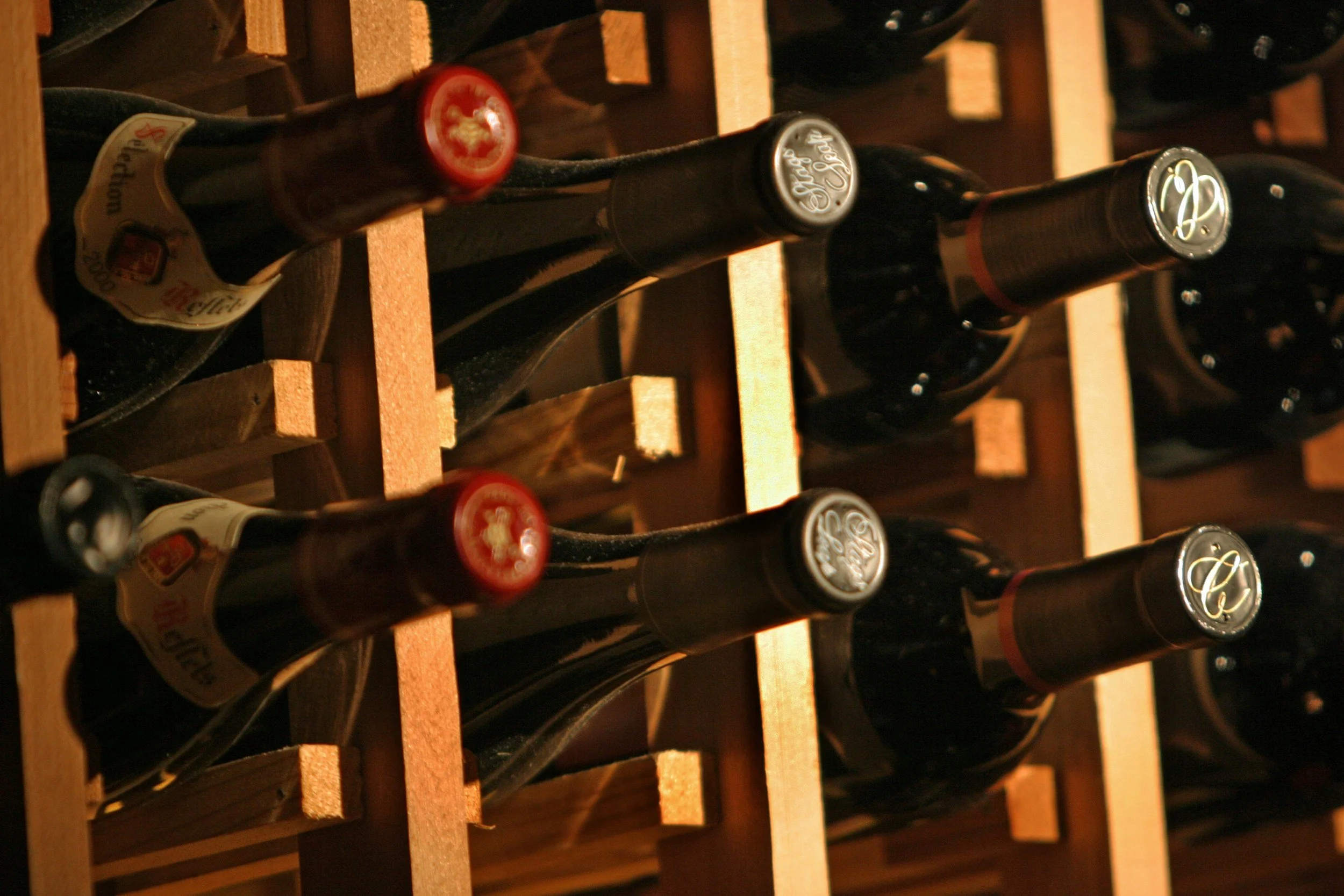
1. Store Wine Away from Heat
Heat is wine’s biggest enemy. You don’t want to cook your wine.
Wine should be kept at a cool, consistent temperature. Avoid storing wine next to ovens, radiators, or sunny windows. When wine gets too warm, it can age too quickly and lose balance.
Best places in a normal home:
A cupboard away from heat sources
A low shelf in a cool room
Under the stairs
A hallway or spare room that stays fairly cool
If your space stays comfortable for you, it’s generally fine for wine.
2. Keep Wine Out of Direct Light
Light, especially sunlight, can damage wine over time. That’s one reason many wine bottles are dark glass.
Avoid storing wine:
On windowsills
On open shelves in direct sunlight
Under bright, constant lighting
Dark cupboards or closed storage areas are ideal. Think soft and shaded.
3. Store Bottles on Their Side (Most of the Time)
If your wine bottle has a cork, storing it on its side helps keep the cork slightly moist. This prevents it from drying out and letting air in.
Cork = store on its side
Screw cap = upright is fine
If you only plan to keep a bottle for a short time, this isn’t critical, but for longer storage, it helps.
4. Avoid Constant Movement
Wine likes stillness. Try not to store bottles:
On top of fridges or washing machines
In places where they’re constantly moved
In high-traffic areas where they’re frequently bumped
Again, this matters more for wines you plan to save, but calm storage is always better.
5. How Long Can You Store Wine at Home?
Here’s a gentle guideline: Most everyday wines are meant to be enjoyed within 1–3 years of purchase.
Some general advice:
Light, fresh wines → drink sooner
Fuller, structured red wines → can last longer
Special bottles from trips → store carefully, but don’t overthink it
Many wines are made to be opened, shared, and enjoyed without waiting for the perfect moment.
6. Do You Need a Wine Fridge?
Short answer: no.
Longer answer: A wine fridge can be lovely if you…
Love collecting wine
Live somewhere consistently warm
Want long-term storage
But many stored wines do just fine in cool/dark cupboards and closets.
7. What About Opened Wine?
Once opened, wine changes quickly, but you can easily extend its life.
Simple tips:
Re-cork or reseal tightly
Store opened wine in the fridge (even reds)
Drink within 3–5 days
If a red feels too cold from the fridge, just let it sit out for 15–20 minutes before drinking.
A Gentle Reminder from Amica Vina
Wine is meant to be shared, enjoyed, and woven into beautiful moments, whether that’s a solo evening, a dinner with friends, or a memory from a retreat abroad.
Carefully storing wine simply helps those moments taste the way they should.
Ready to Sip, Learn, and Travel With Confidence?
At Amica Vina, we believe wine education should feel approachable, never intimidating.
On our wine retreats, you’ll:
Learn about wine naturally, through experience
Enjoy beautiful bottles without pressure
Share moments that feel meaningful, not formal
If you’re dreaming of a wine-filled escape where learning feels easy and connection comes naturally:
